



Premium Rice Paper for Decoupage
The Ultimate 🇮🇹 Italian Rice Paper for Decoupage & Furniture Upcycling
Discover the versatility of our Mulberry Rice Paper, the ultimate material for your creative journey. Whether you are working on intricate small decoupage projects like jewelry boxes and coasters, or transforming your home with large-scale furniture makeovers, our paper delivers perfection.
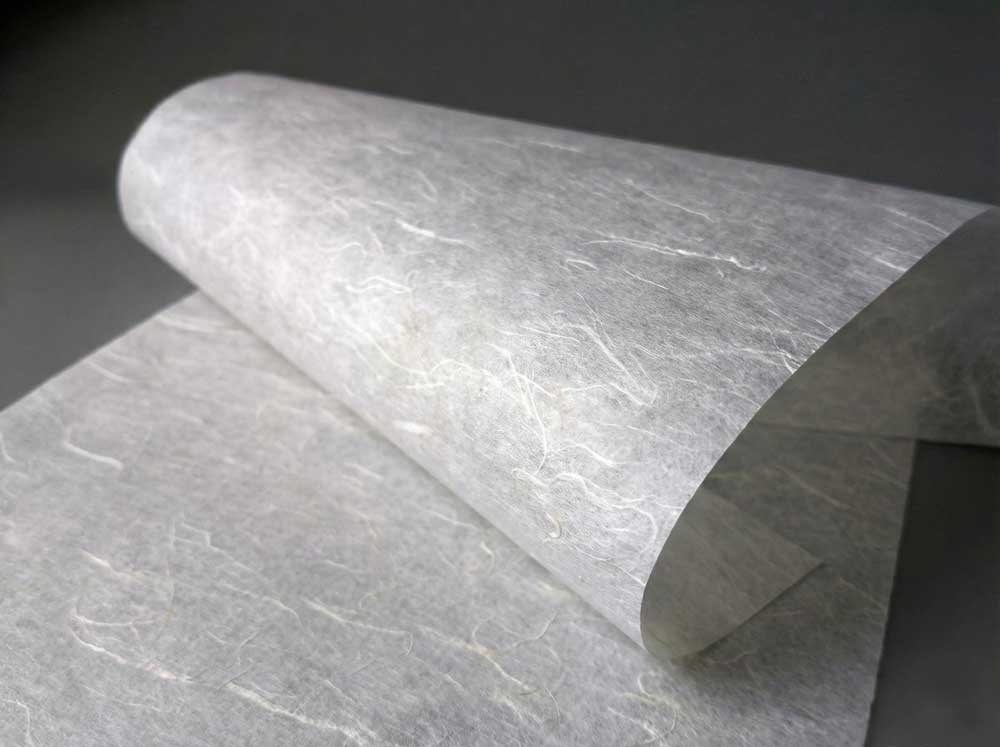
Forget fragile napkins and thick cardstock. Unlike standard napkins, our fibrous rice paper is durable, wrinkle-resistant, and transparent. Featuring visible, long-strand natural fibers, it offers superior wet strength—meaning it won’t disintegrate when saturated with glue.
Whether you are applying them to wood, glass, ceramic, or painted furniture, our paper disappears into the surface for a flawless, ‘painted-on’ finish. It melts seamlessly into your project, creating a professional look without the struggle.
Unlike standard mass-market papers, we control every step of the production process to guarantee high-definition details, vibrant colors, and superior durability. Designed, printed, and packaged directly by us—zero middlemen. Plus, buying direct means you never have to worry about discontinued items. Since we manufacture on-demand, your favorite designs are never out of stock and always ready to ship.
Small Decor & Crafts
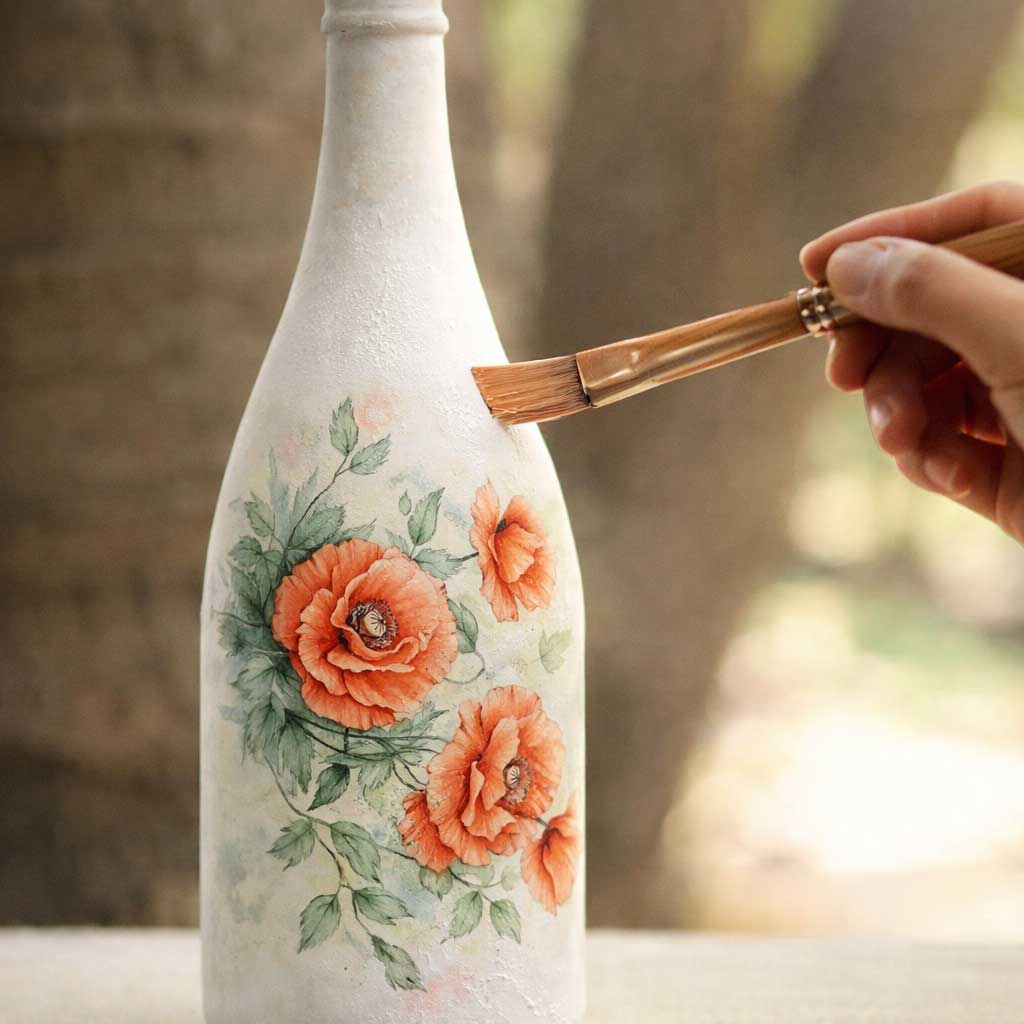
Best for: Coasters, Jewelry Boxes, Ornaments, Glass Jars, and so much more

Anna: “Perfect for details! The US Letter / A4 sizes are ideal for smaller surfaces. It is incredibly easy to ‘water cut’ for seamless blending on wood, glass, and other creative surfaces.”
Furniture & Large Surfaces
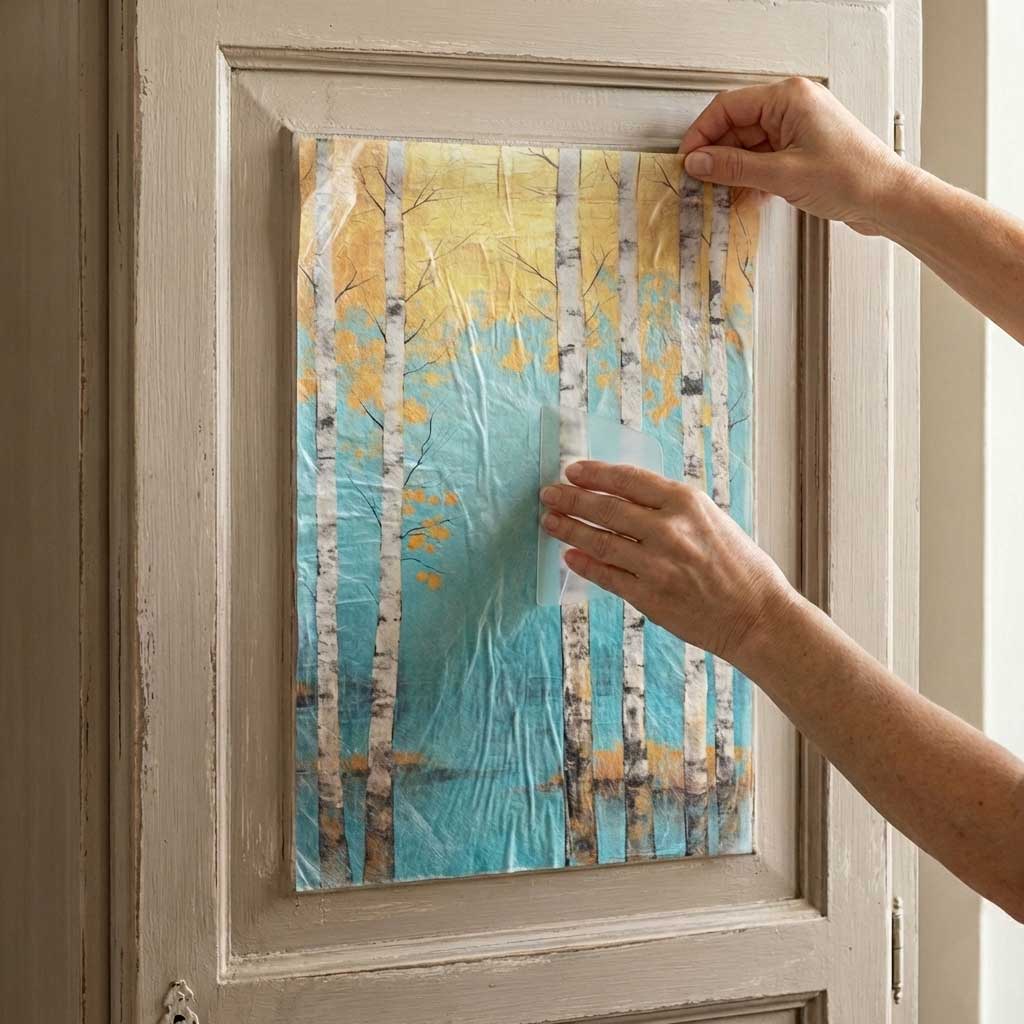
Best for: Furniture flipping, drawer fronts, tabletops, cabinet doors, , wall art and other large projects.

Tony:“Finally, seamless coverage. Their Jumbo sheets cover large areas in one go. The paper is durable enough for the ‘Iron-On’ method on flat furniture without tearing.”
Custom Printing
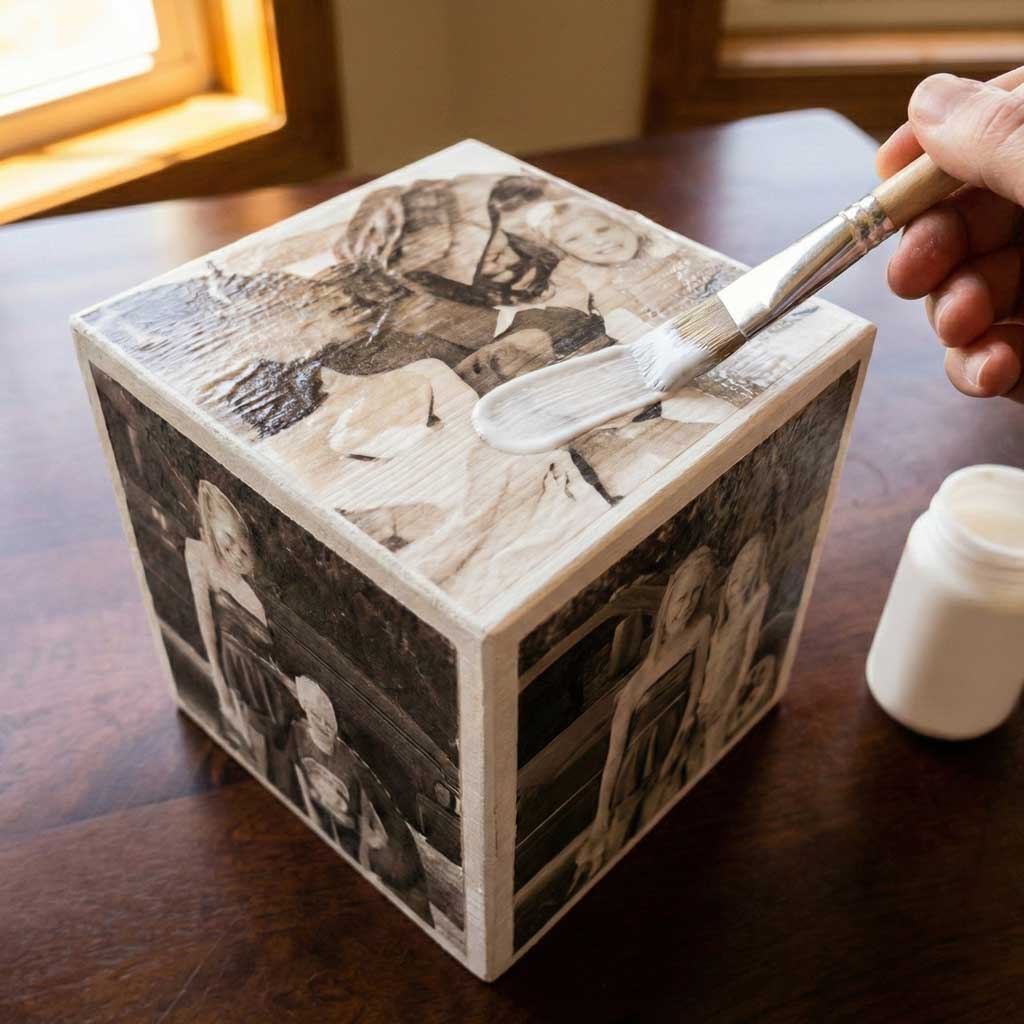
Best for: Personalized Gifts, Memorial Pieces, Custom Art, etc.

Emma:“They printed my high-res photos on their proprietary mulberry fiber paper. The quality is amazing and they use archival inks that won’t bleed when wet.”
DIY Printable
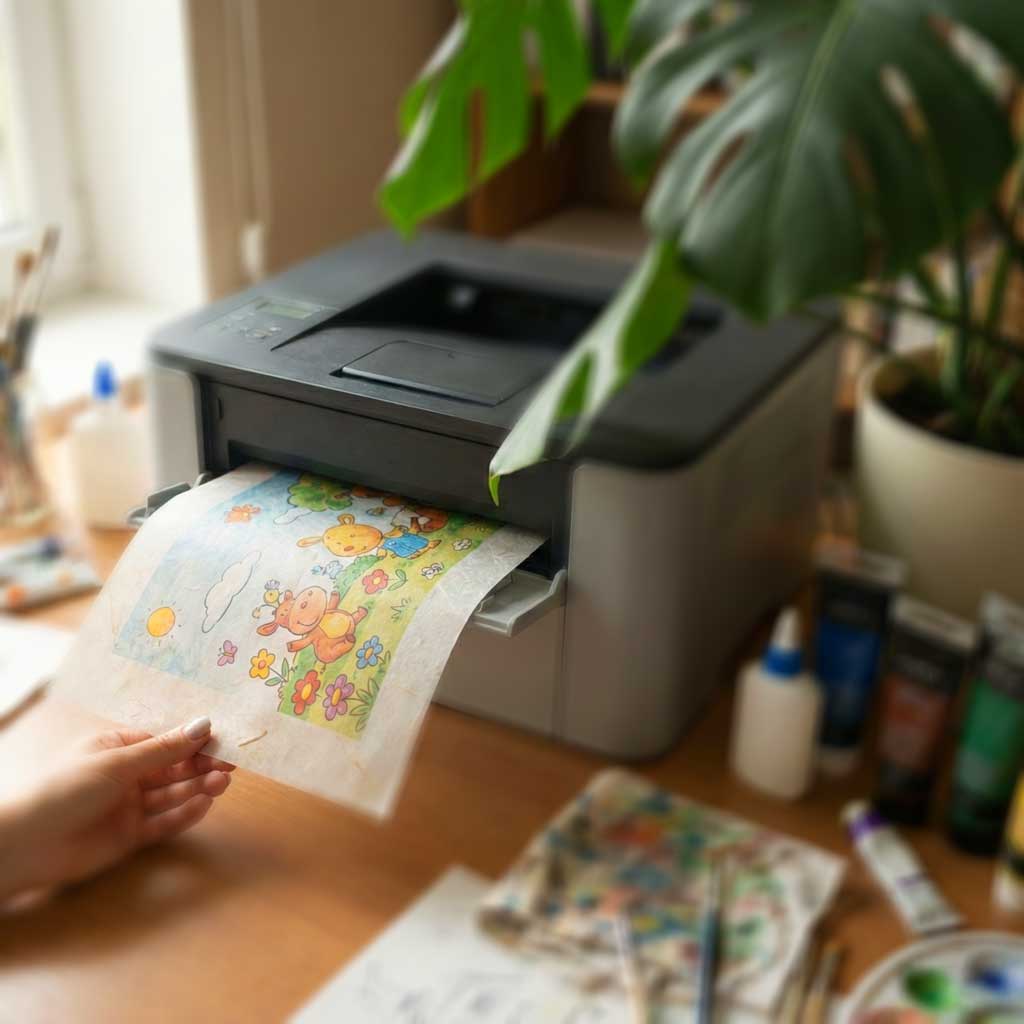
Best for: Printing digital patterns at home (Inkjet/Laser).

Charlotte:“This pack of 20 blank sheets is a game changer. It is the exact same premium fiber paper they use, but ready for my home printer.”
Paper Size Guide for Decoupage Projects
Choosing the Right Rice Paper Size for Decoupage: From Crafts to Furniture.
| ISO Size |
Dimensions (CM) |
Dimensions (Inches) |
|---|---|---|
| A0 | 84.1 x 118.9 | 33.1" x 46.8" |
| A1 | 59.4 x 84.1 | 23.4" x 33.1" |
| A2 | 42.0 x 59.4 | 16.5" x 23.4" |
| A3 | 29.7 x 42.0 | 11.7" x 16.5" |
| A4 | 21.0 x 29.7 | 8.3" x 11.7" |
| A5 | 14.8 x 21.0 | 5.8" x 8.3" |
*Note: A4 is very similar to standard US Letter (8.5" x 11"). A3 is comparable to Tabloid size (11" x 17").

The "Mulberry" Difference:
Why "Mulberry" Matters "In the US, many call it 'Rice Paper', but professionals know the difference. Ours is crafted from Mulberry fibers (Kozo), which provide a unique skeletal structure to the paper.
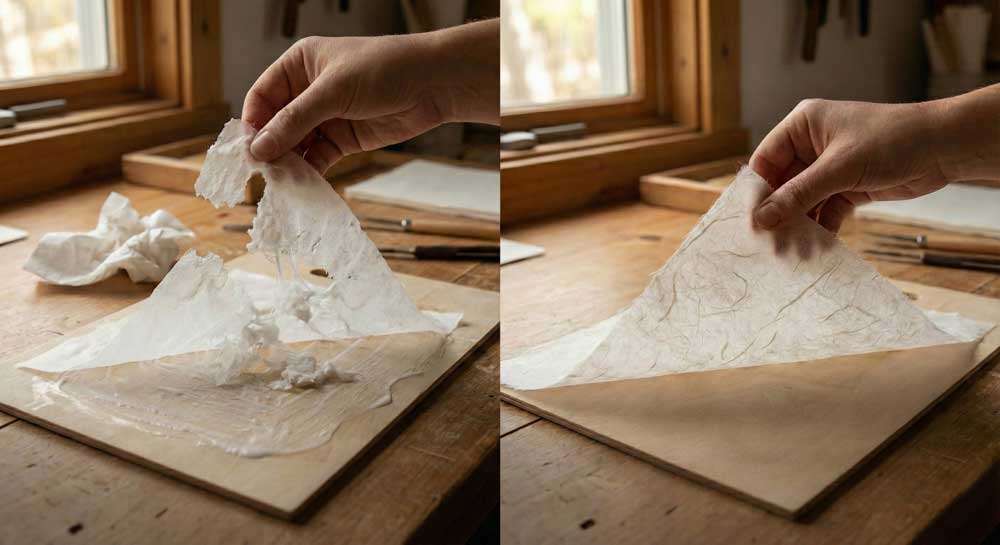
Incredible Wet Strength: Unlike napkins that tear the moment glue touches them, our paper can be lifted and repositioned even when damp.
The “Vanishing Edge”: When you use the water-cut technique (wetting the edge and pulling), the long fibers feather out, making the edge of the paper completely invisible once sealed.
Molds to Curves: Essential for curved drawer fronts, ornate moldings, and textured surfaces. The paper stretches slightly to hug complex shapes without cracking.
Frequently Asked Questions
The Fundamentals
What exactly is decoupage rice paper? Is it edible?
No, it’s not the paper used for Spring Rolls! In the Arts & Crafts world, “Rice Paper” is a generic term for a thin but extremely durable paper made from the fibers of the mulberry tree (Mulberry or Kozo). Unlike napkins, it doesn’t disintegrate when wet and is much easier to handle.
Why should I choose rice paper over napkins?
Rice paper offers three main advantages:
Strength: Thanks to its long fibers, it won’t tear while you position it or brush glue over it.
Ease of Use: It is single-ply. You don’t have to struggle separating layers like you do with napkins.
Wrinkle-Free: It tends to flatten out naturally much better than napkins, which wrinkle at the slightest contact with the moisture in the glue.
What is the ideal weight (GSM) for decoupage?
The optimal weight is between 25 and 40 GSM.
Under 20 GSM: Too delicate, like tissue paper, making it hard for beginners to manage.
Over 50 GSM: Too rigid, making it difficult to adhere to edges or curves. Our Italian paper sits in the “sweet spot” (~30 GSM) to ensure both strength and optimal transparency.
I heard you should tear the paper instead of cutting it. Is that true?
Yes, almost always. If you use scissors, you create a sharp edge that the eye immediately perceives as a “sticker.” If you tear the paper instead (perhaps using a wet brush to guide the tear – the Water Cut technique), you create a fibrous, irregular edge. Once glued, these fibers become transparent, making the image look like it was painted directly onto the object.
Application Techniques & Adhesives
Can I use the "Iron-On Method" with rice paper?
Absolutely! It’s the secret method for perfect flat surfaces.
Apply your PVA glue to the wood.
Let it dry completely.
Position the rice paper.
Place a sheet of parchment paper on top.
Iron on medium heat (no steam). The heat melts the glue underneath the paper, adhering it without a single wrinkle.
What glue should I use? PVA glue or something else?
Standard PVA glue works for beginners, but it has flaws (it can remain tacky). For professional results, we recommend:
For gluing: A specific decoupage glue or a satin varnish that acts as an adhesive.
For finishing: High-quality topcoats (like Polyvine). These don’t yellow and don’t remain tacky.
My paper is full of bubbles. How do I fix it?
If the glue is still wet, gently lift the paper and reposition it (rice paper allows this!). If it’s almost dry, use a pin to pop the bubble, press the air out, and if necessary, inject a micro-drop of glue with a syringe. To prevent this, always spread the glue from the center moving outwards.
Why do I get wrinkles when applying rice paper?
Wrinkles come from uneven moisture and fiber expansion. Use enough glue for a uniform film, smooth from center outward, and avoid overworking the paper. For large flat areas, the Iron-On method is the most wrinkle-proof option.
How can I smooth the paper without tearing it?
Try the plastic wrap (Saran Wrap) trick: place a small ball of wrap over the wet paper and gently rub from center outward. It glides over the surface without grabbing fibers, helping eliminate wrinkles and bubbles.
My finish feels sticky even when dry. Why?
Some PVA-based products can stay slightly tacky, especially in high humidity, causing “blocking” (objects stick to the surface). Fix it by sealing with a hard, non-tacky water-based topcoat and allowing full cure time (not just “dry to touch”).
How do I hide the paper edges on dark furniture?
Blending! After gluing the paper, use a sponge with acrylic paint matching the furniture color (or the paper’s edge) and dab over the edge of the paper. This creates a soft transition between the paper and the furniture, hiding the seam.
Why did my decoupage turn yellow over time?
The most common cause is using oil-based polyurethane/varnish(it ambers). Another cause is tannins bleeding from certain woods if they weren’t sealed first. Use a water-based topcoat and, on tannin-rich wood, apply a stain-blocking primer/sealer before gluing the paper.
Special Surfaces (Glass, Fabric, Outdoors)
Can I decoupage mugs or plates and eat off them? (Food Safe)
Warning: Most glues and varnishes are “Non-Toxic” but NOT “Food Safe” (safe for direct food contact).
Solution: Decoupage the back of a glass plate (Reverse Decoupage) so the food only touches the glass.
If you must decoupage the top: You must seal the work with an FDA compliant epoxy resin (Food Grade Epoxy) and let it cure for 30 days. Otherwise, use the item for decoration only or for packaged foods.
Reverse decoupage on glass looks dull—how do I make it bright?
After the glue dries, paint the back of the paper white (or a light color). This restores opacity and color vibrancy when viewed through the glass.
Can I wash a decoupaged t-shirt or shoes?
Yes, but only if you use a Textile Medium. Normal PVA glue cracks if bent.
Mix the glue with Textile Medium (or use Fabric Mod Podge).
Apply the paper.
Once dry, seal with another coat of the mix.
Important: Heat set everything with an iron to make the bond permanent and hand-washable.
I want to put my decorated pot in the garden. Will it survive the rain?
Not with standard glue. For Outdoor use, you must use marine or specific sealers.
Oil-based: Very tough but tends to yellow slightly over time.
Water-based: Non-yellowing and very durable (look for “Exterior” or “Marine” on the label). You must seal both the inside and outside of the pot to prevent moisture from the soil pushing the paper off from the inside.
How do I decorate candles? Is it safe to light them?
Rice paper burns! If you decorate a candle:
Use the “Hot Spoon” technique or a heat gun to melt the paper into the wax.
Decorate only the lower part or the outside of wide candles (pillar candles) that “tunnel” when they burn. If the flame reaches the paper, it will flare up. It is better to use LED candles or decorate candles “for display only.”
Can I use gel medium instead of decoupage glue?
Yes. Many mixed-media artists prefer gel medium because it’s thicker, easier to control, and can help with heavier papers and textured effects.
After Iron-On, can I seal it like normal?
Yes, but apply the first sealing coat gently to avoid reactivating the glue too aggressively (which can create micro-bubbles). Let layers dry fully between coats.
Business, Copyright & Printing
Can I sell items created with your paper? (Angel Policy)
Yes! Most “Angel Policies” allow the sale of physical handmade items.
What you CAN do: Decorate a box with our paper and sell it on Etsy.
What you CANNOT do: Scan our paper sheet, reprint it, and sell digital or physical copies. This is copyright infringement.
I want to print my designs on rice paper. How do I do it?
It works with both laser and Inkjet printers.
Laser Printer: You will have no issues applying the printed rice paper because toner does not smear when wet.
Inkjet Printer: After printing, you must seal the ink with a clear acrylic spray (fixative) before wetting it with glue, otherwise the colors will bleed.